

15 Property Manager Duties Every Property Owner Should Know
Owning an investment property can look simple from the outside. Rent comes in, bills go out, and the property grows in value over time. In real life, rental ownership involves people, paperwork, maintenance, legal requirements, risk, money, and timing.
That is where professional management earns its keep.
A good Property Manager does far more than collect rent. They protect the asset, support the tenant relationship, reduce vacancy, manage day-to-day issues, and keep the owner informed. For Australian property owners, this also means working within state and territory rules, which can differ across the country.
This guide breaks down the 15 key duties every property owner should understand before hiring a manager or reviewing the service they already receive.
This article is general information only. Residential tenancy laws, commercial leasing rules, fees, notice periods, safety duties, and compliance obligations vary by state, territory, council area, and property type.
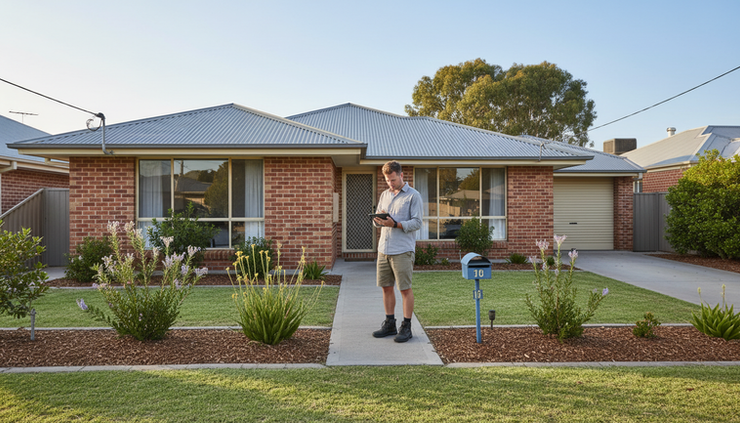
What does a property manager do?
A property manager handles the daily operation of a rental or leased asset on behalf of the owner. Their work normally covers leasing, rent collection, tenant communication, maintenance coordination, inspections, record keeping, compliance support, and reporting.
The exact scope depends on the management agreement, property type, and local law.
For example, a residential manager may focus on tenant screening, routine inspections, rent arrears, and repairs. A commercial manager may also handle outgoings, make-good obligations, rent reviews, lease options, essential services, and more complex maintenance planning.
At its core, the role is simple: protect the owner’s income, protect the property, and manage the tenant relationship fairly and lawfully.
A quick overview of the main duties
Duty | Why it matters for owners |
Rent appraisal | Helps avoid underpricing or long vacancy |
Marketing | Attracts suitable tenants faster |
Tenant screening | Reduces risk of arrears and damage |
Lease preparation | Sets clear rules and expectations |
Rent collection | Keeps cash flow steady |
Arrears management | Deals with late rent early |
Repairs and maintenance | Protects property condition |
Inspections | Spots issues before they grow |
Compliance support | Helps meet legal and safety duties |
Financial reporting | Gives owners clear records |
Tenant communication | Reduces disputes and confusion |
Vacancy management | Limits lost rental income |
Contractor coordination | Keeps work organised and documented |
Dispute handling | Manages conflict through proper channels |
Strategic advice | Helps owners make better long-term decisions |

1. Setting the right rent
One of the first responsibilities is recommending a fair market rent. This is not just a guess based on what the owner wants to earn.
A good rental appraisal looks at:
Similar properties nearby
Current tenant demand
Property condition
Location, parking, storage, and outdoor space
Recent leasing activity
Seasonal market changes
If rent is set too high, the property may sit empty. If it is set too low, the owner can lose income each week.
Practical example
If a two-bedroom unit in Brisbane is priced above comparable rentals with better parking and newer interiors, it may take longer to lease. A small rent adjustment could save weeks of vacancy.
Tip
Ask for evidence behind the rent estimate, not just a number.
2. Marketing the property
Marketing is more than uploading a listing. The manager should present the property clearly and honestly so it attracts the right enquiries.
This may include arranging photos, writing the listing, highlighting key features, booking open homes, and answering questions from prospective tenants.
Strong marketing focuses on what renters actually care about:
Air conditioning or heating
Natural light
Storage
Transport access
Pet suitability, where allowed
Parking
Outdoor areas
Internet availability
The aim is not to oversell. It is to reduce mismatched enquiries and lease the property to a suitable tenant.
3. Showing the property to prospective tenants
Open homes and private inspections give tenants a chance to see the property before applying. The manager’s role is to present the property well, answer questions, and observe applicant behaviour.
For instance, if someone asks detailed questions about lease length, parking rules, and move-in timing, they may be more prepared than someone who has not read the listing.
A well-run inspection also protects security. The manager should control access, avoid overcrowding, and follow local rules around entry and privacy if the property is still occupied.
4. Screening tenants properly
Tenant selection is one of the most valuable property management tasks. A poor match can lead to unpaid rent, damage, complaints, and long disputes.
Screening may include checking:
Identity
Rental history
Employment or income information
References
Tenancy database checks, where lawful
Suitability for the property
The goal is not to discriminate. It is to assess applications fairly, consistently, and within the law.
Tip
Owners should avoid choosing tenants based only on the highest rent offer. A stable tenant with strong references may be the better long-term choice.
5. Preparing and managing the lease
The lease sets out the legal relationship between owner and tenant. It should be accurate, clear, and consistent with local tenancy law.
The manager usually prepares the lease documents, explains key terms, collects required payments, and manages signing.
For residential properties, lease rules vary across Australian states and territories. For commercial properties, the lease can be much more detailed and may include rent reviews, outgoings, permitted use, signage, fit-out, and renewal options.
A clear lease reduces grey areas later.
6. Collecting rent and monitoring payments
Rent collection is one of the most visible responsibilities, but it should be handled with a system, not casual reminders.
The manager tracks incoming rent, issues receipts where required, monitors missed payments, and updates the owner.
Good systems help identify problems early. One missed payment may be an oversight. Repeated late payments may signal bigger trouble.
Owners should expect regular reporting and a clear process for arrears.
7. Managing rent arrears
When rent falls behind, timing matters. Most states and territories have strict rules about notices, timeframes, and when further action can be taken.
A manager should act promptly while staying within the law. This may involve contacting the tenant, issuing the correct notice, documenting each step, and advising the owner on options.
Practical example
If rent is several days late, the manager may first contact the tenant and confirm whether a payment has been made. If the arrears continue, formal notices may be needed in line with local legislation.
The key is consistency. Ignoring arrears can make recovery harder.
8. Coordinating repairs and maintenance
Maintenance protects the property and keeps tenants safe and satisfied. The manager acts as the middle point between tenant, owner, and trades.
This includes receiving repair requests, deciding whether the issue is urgent, contacting contractors, getting quotes, and following up after work is complete.
Common repair issues include:
Plumbing leaks
Electrical faults
Appliance failure
Door and lock problems
Roof leaks
Heating and cooling faults
Mould or ventilation concerns
Urgent repairs need special care. Rules around urgent repairs differ by state and territory, so managers must know the local process.

9. Carrying out routine inspections
Routine inspections help track property condition during a tenancy. They are not a chance to invade privacy or criticise lifestyle. They are a structured check of the asset.
The manager looks for issues such as leaks, damage, poor ventilation, unauthorised changes, garden neglect, or maintenance needs.
Inspection reports should include clear notes and photos where appropriate. They should also separate tenant-caused damage from fair wear and tear.
Tip
Owners should read inspection reports carefully. Small issues, such as cracked grout or early water staining, can become expensive if ignored.
10. Managing entry, notices, and privacy
A rental property is still the tenant’s home. Managers must follow rules around entry, notice periods, privacy, and access.
This applies to inspections, repairs, valuations, sales inspections, and emergency access.
These rules vary across Australia. A manager should know which notice applies and document all communications.
Poor handling of access can damage trust and may lead to complaints or disputes.
11. Keeping records and financial reports
Good records make ownership easier. They also help at tax time and if a dispute arises.
A manager usually keeps records of:
Rent received
Management fees
Repairs and invoices
Lease documents
Inspection reports
Notices
Tenant communication
Bond details
Owner statements
Owners should receive regular statements showing income and expenses. These reports should be easy to read, with no hidden surprises.
Practical example
If an air conditioner repair is deducted from rent, the owner statement should show the invoice, amount, date, and contractor details.
12. Handling bonds and condition reports
The bond and condition report are critical at the start and end of a tenancy.
At the start, the manager documents the property condition. At the end, they compare the exit condition against the original report, allowing for fair wear and tear.
This helps decide whether the bond should be refunded in full or whether a claim may be reasonable.
A weak entry condition report can make it hard to prove damage later. Photos, detailed notes, and signed documents matter.
13. Supporting legal and safety compliance
Property owners have legal duties. The manager helps organise and monitor many of them, although owners should still understand their obligations.
Depending on location and property type, this may relate to:
Smoke alarms
Electrical safety
Gas safety
Pool fencing
Water efficiency
Minimum housing standards
Mould and ventilation
Window safety
Building rules
Strata by-laws
Laws and standards change over time. Owners should ask how their manager tracks compliance updates.
Tip
Do not wait until a tenant complains to handle safety checks. Preventive compliance is usually cheaper than urgent rectification.
14. Managing disputes and difficult conversations
Disputes can happen even in well-managed properties. Common issues include rent arrears, cleaning, damage, noise, repairs, pets, bond claims, and access.
A manager should stay calm, keep records, and follow the correct process. They may also represent the owner in tribunal matters, depending on local rules and the terms of their authority.
The best managers do not inflame conflict. They explain options, document facts, and help owners avoid emotional decisions.
Practical example
If a tenant disputes a bond claim for carpet damage, the manager should rely on entry photos, exit photos, invoices, and written communication, not opinion.
15. Advising on long-term property performance
The strongest managers do more than react to problems. They help owners make better decisions over time.
This may include advice on:
Rent reviews
Renovations that improve rental appeal
Lease renewal timing
Tenant retention
Maintenance planning
Market changes
Sale preparation
Insurance considerations
For example, replacing worn carpet with durable flooring may reduce future maintenance and improve tenant appeal. The right choice depends on budget, property type, target renter, and local market.
How residential and commercial duties differ
Many duties overlap, but commercial management often involves more complex leases and financial arrangements.
Area | Residential management | Commercial management |
Lease structure | Usually standardised under tenancy law | Often negotiated in detail |
Rent reviews | Often market-based or fixed increases, subject to law | May include fixed, CPI, market, or agreed formulas |
Outgoings | Usually limited for tenants | Often recoverable depending on lease terms |
Maintenance | Owner and tenant duties set by law and lease | More detailed split under lease |
Inspections | Focus on condition and tenancy use | May include fit-out, compliance, and business use |
Vacancy risk | Linked to tenant demand | Can depend on business conditions and lease incentives |
Commercial property manager duties can include managing outgoings budgets, tracking lease options, coordinating essential services, arranging rent reviews, and checking whether the tenant’s use matches the lease.
For retail leases, extra rules may apply depending on the state or territory.
What owners should expect from a good manager
A capable manager should be organised, responsive, and honest. They should not promise perfect tenants or zero problems. No one can guarantee that.
They should provide:
Clear communication
Accurate documentation
Sensible maintenance advice
Regular financial statements
Fair tenant management
Knowledge of local rules
Practical risk management
Timely updates when something goes wrong
The right manager reduces stress because the owner knows what is happening and why.
Common red flags to watch for
Not all management services are equal. Watch for warning signs such as:
Slow replies to owner or tenant messages
Vague inspection reports
Poor rent arrears follow-up
Missing invoices
No clear maintenance approval process
High tenant turnover without explanation
Little knowledge of local tenancy rules
Repeated surprise costs
A low management fee may look attractive, but poor service can cost far more through vacancy, disputes, and neglected maintenance.

Frequently asked questions
What does a rental manager do day to day?
They handle tenant enquiries, rent tracking, repairs, inspections, notices, contractor follow-up, owner updates, and records. Some days are quiet. Other days involve urgent repairs, arrears, or lease issues.
Is hiring a manager worth it for one rental property?
It can be, especially if the owner lacks time, lives far from the property, or is unsure about tenancy rules. A good manager helps reduce risk and keeps the rental process organised.
Can an owner still approve repairs?
Yes, in most management arrangements the owner sets approval limits. For example, the manager may handle minor repairs up to an agreed amount, while larger works need owner approval. Urgent repairs may have different rules.
Do commercial properties need different management?
Often, yes. Commercial leases can be more complex than residential leases. They may involve outgoings, rent review clauses, options, fit-out duties, essential services, and business-use requirements.
How often should an owner hear from their manager?
Owners should receive regular statements and updates when key events occur, such as new applications, arrears, repairs, inspections, lease renewals, or tenant concerns. Silence is not a good system.
Final takeaway
A property manager’s role is part organiser, part risk manager, part communicator, and part asset caretaker. The best ones protect cash flow while also protecting the long-term condition of the property.
For owners, the goal is not to hand over control and stop paying attention. It is to work with a skilled manager who has clear systems, local knowledge, and sound judgement.
If those 15 duties are being handled well, the property is far more likely to run smoothly, keep good tenants, and perform over the long term.
Comments